Introduction
In the world of cooking arts, innovation and creativity are the foundations of development. One such advanced idea that has changed contemporary cuisine is molecular gastronomy. This discipline weds food science with cooking artistry, allowing chefs to explore new textures, flavors, and presentations. Central to this avant-garde movement is nitrous oxide (N2O), a gas that plays an integral role in techniques used by chefs around the globe. This short article will delve into Nitrous Oxide Tanks and Their Influence on Molecular Gastronomy, exploring how numerous types of nitrous oxide, consisting of Nang tanks, cream battery chargers, and more, add to this exciting culinary trend.
Understanding Nitrous Oxide Tanks
What Are Nitrous Oxide Tanks?
Nitrous oxide tanks, typically referred to as N2O tanks or nang tanks, are specialized containers created to save nitrous oxide gas under pressure. These tanks are vital for numerous applications in both expert kitchens and at home. They can be found in a number of types including cream charger cylinders, nang bottles, and larger nitrous cylinders.
The Chemistry Behind Nitrous Oxide
Nitrous oxide is a colorless gas with a slightly sweet smell and taste. It is typically described as laughing gas due to its blissful effects when inhaled. Chemically speaking, it includes two nitrogen atoms bonded to one oxygen atom (N2O). This unique structure allows it to serve numerous functions in cooking, from developing whipped creams to improving flavor extraction.
Varieties of Nitrous Oxide Tanks
1. Cream Battery Charger Cylinders
Cream battery charger cylinders are small canisters filled with nitrous oxide utilized mainly for light whipping cream. They are available in various sizes but generally consist of 8 grams of N2O.
2. Nang Tanks
These larger tanks are popular amongst professional chefs who require bulk products of nitrous oxide for comprehensive kitchen operations.
3. N2O Canisters
N2O containers are similar to cream chargers however can be used for different applications beyond simply whipping cream.
4. Nitrous Cylinders
Often utilized in commercial settings, these bigger cylinders hold more gas and are best for high-volume needs.
How Do Nitrous Oxide Tanks Work?
When using a cream battery charger or nang tank, the procedure starts by placing the cylinder into a whipping siphon. As you press the nozzle or lever, the pressure within the siphon causes the nitrous oxide to blend with liquid active ingredients-- usually heavy cream-- developing a foamy texture that can be dispensed easily.
Molecular Gastronomy: An Overview
What Is Molecular Gastronomy?
Molecular gastronomy is not merely a cooking style; it's a clinical method to cooking arts that investigates the physical and chemical changes that occur throughout cooking processes.
Key Methods in Molecular Gastronomy
- Spherification: Producing edible spheres filled with liquid. Foaming: Utilizing nitrous oxide tanks to develop airy foams. Gelification: Changing liquids into gel-like substances.
Nitrous Oxide's Role in Molecular Gastronomy
Why Usage Nitrous Oxide?
Nitrous oxide serves as a versatile tool in molecular gastronomy due to its ability to dissolve quickly into liquids under https://canvas.instructure.com/eportfolios/3508849/emilianowvln398/achieving-consistency-and-quality-with-laughing-gas-gas-charger-bulbs pressure and broaden rapidly upon release. This special property enables chefs to create light textures and improve tastes in innovative ways.
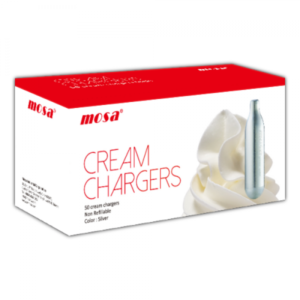
Creating Airy Foams with N2O Nang Tanks
One of the most popular applications of nitrous oxide in molecular gastronomy is developing foams utilizing Nang tanks or cream battery chargers. The incorporation of air boosts both taste perception and mouthfeel.
The Science Behind Whipped Cream Production
How Does Nitrogen Affect Cream?
When whipping cream is charged with N2O from a cream charger cylinder or nang tank, it undergoes a number of modifications:
The gas dissolves into the fat molecules. Upon launching pressure, the gas expands creating bubbles. This leads to fluffy whipped cream best for desserts and other dishes.
Common Errors When Using Cream Chargers
- Overfilling: Always stick to maker standards relating to volume. Incorrect temperature level: Guarantee your components are cold for finest results.
Exploring Extra Applications of Nitrous Oxide Tanks
Infusing Flavors Rapidly with N2O Canisters
Nang canisters allow chefs to instill oils or spirits rapidly by trapping them with nitrous oxide under pressure for fast extraction of flavors.
Chilled Soups and Sauces Made Easy
Using nitrous tanks assists develop smooth chilled soups by incorporating air while keeping temperature levels low-- an important aspect in maintaining taste integrity.
Safety Considerations When Using Nitrous Oxide Tanks
Proper Handling Guidelines
Handling nitrous oxide securely is important:
- Store tanks upright away from heat sources Use appropriate regulators Always check out labels before use
Health Risks Associated with Misuse
Improper use can result in health dangers such as oxygen deprivation if inhaled straight from canisters planned for culinary purposes instead of recreational usage (often called "whippits").
The Impact of Nitrous Oxide on Taste Profiles
Enhancing Taste Extraction through Pressure
Using N2O improves taste profiles by increasing solubility-- enabling chefs better access to deep flavors quickly without prolonged marination times.
Popular Dishes Utilizing Nitrogen Techniques
Nitrogen Ice Creams: A Cooking Delight
Chefs utilize liquid nitrogen alongside standard approaches for ice creams resulting in creamy textures without ice crystals-- a remarkable experience!
Innovations Driven by Nitrogen-Based Techniques
Future Patterns In Culinary Arts Influenced By Gas Technologies
As molecular gastronomy develops so does its dependence on technologies such as automated foam dispensers making use of N2O systems becoming more prevalent throughout modern cooking areas worldwide!

Environmental Factors to consider Associated with Nitrogen Usage
While utilizing nitrogens causes innovative advancements; we must consider environmental effects connected with massive production or incorrect disposal techniques causing land fills and so on, therefore prompting sustainable practices!
FAQs About Nitrous Oxide Tanks And Their Usage In Cooking Arts
What kinds of foods can I make using nitrous oxide tanks?- Anything from whipped creams & & foams up till flavored oils!
- Yes! If misused they might pose health hazards like oxygen deprivation when inhaled straight! Constantly handle responsibly!
- Regulations differ globally; check regional laws regarding sale/use before buying any items consisting of gaseous nitrogen compounds!
- While possible; only customized equipment developed specifically includes gases effectively leading towards wanted outcomes each time!
5. Can I reuse my nitrogen cartridges?
- No! Once depleted they must be discarded properly according producer guidelines ensuring safe practices remain undamaged throughout usage stages!
6. What's next for molecular gastronomy?
- Emerging patterns consist of hybrid techniques employing biochemistry along with conventional techniques broadening creative horizons throughout diverse foods globally!
Conclusion
In conclusion, comprehending how Nitrous Oxide Tanks and Their Influence on Molecular Gastronomy work opens unlimited chances for cooking expedition. From enhancing textures through lathering methods to rapidly instilling flavors, these ingenious tools redefine modern-day cooking methodologies while pushing borders within gastronomic experiences delighted in throughout various platforms worldwide! So whether you're an ambitious chef or simply somebody enthusiastic about food science-- there's never been a much better time than now dive deeper into world where imagination fulfills chemistry right at fingertips using clever devices like N2O nangs & & their equivalents changing cooking areas everywhere!